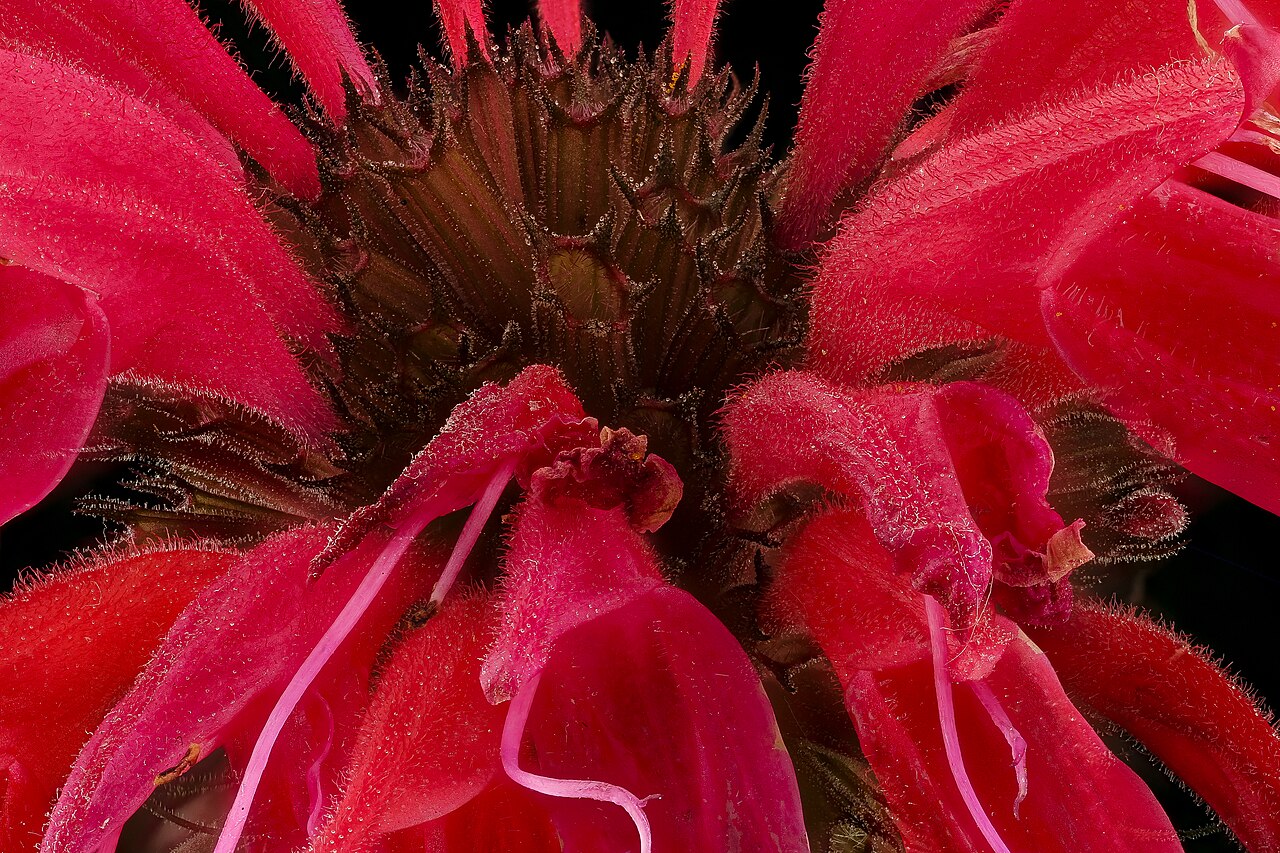
Bee balm is one of the best native perennials for bringing life into a garden. Its shaggy, crown-shaped flowers in scarlet, pink, purple and white open in summer on tall, square stems, and they draw bumblebees, butterflies and ruby-throated hummingbirds like few other plants. The leaves release a strong, minty citrus scent when brushed, and both the leaves and flowers can be used to make tea.
Bee balm has two reputations: as an easy, long-blooming native and as a plant that spreads fast and gets powdery mildew by late summer. Both are true, and both are manageable. Choosing mildew-resistant varieties, giving plants sun and air, and dividing them every few years makes the difference between a tired, gray patch and a clump that blooms for weeks.
How Do You Grow Bee Balm?
Grow bee balm (Monarda) in full sun and moist, well-drained soil in USDA zones 4 to 9, or zone 3 for wild bergamot, spacing plants 18 to 24 inches apart for good air circulation. Water at the base during dry spells, deadhead to extend the bloom from early to late summer and choose mildew-resistant varieties. Divide clumps every 2 to 3 years to control spreading and keep them vigorous.
| Botanical name | Monarda didyma, Monarda fistulosa and hybrids |
|---|---|
| Common names | Bee balm, bergamot, wild bergamot, Oswego tea, monarda |
| USDA zones | 4 to 9; wild bergamot 3 to 9 |
| Sun | Full sun, at least 6 hours; tolerates light part shade |
| Height | 2 to 4 feet; dwarf varieties about 1 foot |
| Spread | 2 to 3 feet, spreading by underground stems |
| Bloom time | Early summer through late summer, peaking in midsummer |
| Grown for | Flowers |
| Flower color | Red, scarlet, pink, purple, lavender, white |
| Soil moisture | Average to moist, well drained; wild bergamot tolerates dry soil |
| Deer | Resistant |
| Drought tolerance | Moderate; high for wild bergamot |
| Native range | North America |
| Pet toxicity | Not known to be toxic; the leaves and flowers are edible |
| Maintenance | Low to moderate; divide every 2 to 3 years |
Types of Bee Balm
The genus Monarda includes about 20 species, all native to North America and all members of the mint family. Most garden bee balms are selections or hybrids of two species, and knowing which one you are growing tells you a lot about its needs.
Scarlet Bee Balm (Monarda didyma)
Scarlet bee balm is native to eastern North America, especially the moist woods and stream banks of the Appalachians. It grows 2 to 4 feet tall with dark green leaves and large, bright red flowers that are a magnet for hummingbirds. It prefers rich, moist soil, spreads quickly by underground stems and is the more mildew-prone of the two main species. It is also known as Oswego tea, from its long history as a tea plant.
Wild Bergamot (Monarda fistulosa)
Wild bergamot grows naturally across much of North America, from Canada to northeastern Mexico, in prairies, meadows and open woods. It has grayish-green leaves and soft lavender to pink flowers, and it grows in more of a clump than a spreading mat. It is hardier, down to zone 3, and handles drier soil than scarlet bee balm. It also tends to resist powdery mildew better, and some of the best-performing modern varieties come from it.
Other Bee Balms
Spotted bee balm (Monarda punctata) is a short-lived species of sandy, dry soils, with tiered whorls of cream flowers spotted in purple and surrounded by pink bracts. Lemon bee balm (Monarda citriodora) is an annual or biennial with lemon-scented leaves. Many popular garden hybrids combine didyma and fistulosa parentage for a wider range of colors and better disease resistance.
Where Bee Balm Grows Best
Scarlet bee balm and most hybrids are hardy in USDA zones 4 through 9, and wild bergamot is hardy to zone 3. Bee balm handles summer heat well but grows best where it gets consistent moisture.
Give bee balm full sun, at least 6 hours of direct light a day. It tolerates light part shade, especially in hot southern gardens, but in too much shade the stems stretch, the plants flower less and powdery mildew becomes worse.
Most bee balm prefers fertile, well-drained soil that stays evenly moist, with a pH that is slightly acidic to neutral. Scarlet bee balm tolerates clay and moist or occasionally wet soil, while wild bergamot does well in average to dry soil once established. Avoid very dry sites for scarlet bee balm, since drought-stressed plants are much more prone to mildew.
How to Plant Bee Balm
Plant bee balm in spring after the last frost or in early fall at least six weeks before the ground freezes. Loosen the soil and work in some compost. Dig a hole as deep as the pot and about twice as wide, set the plant so the top of the root ball is level with the soil surface, backfill and water thoroughly.
Space plants 18 to 24 inches apart. Wider spacing may look sparse at first, but good air circulation is the best defense against powdery mildew, and the plants will fill in quickly. Plant bee balm where it has room to spread, or where paths, edging or other sturdy plants can contain it.
Growing Bee Balm from Seed
Wild bergamot and the straight species grow easily from seed. Sow seed indoors about 8 weeks before the last frost, pressing it onto the surface of the mix without covering it, since light helps it germinate. Seed can also be sown outdoors in fall or early spring. Plants grown from seed usually bloom in their second year. Named varieties do not come true from seed and are propagated by division or cuttings.
Watering and Feeding
Water bee balm about once a week through its first season and during dry spells afterward, soaking the soil deeply at the base of the plants. Avoid overhead watering, which keeps the leaves wet and encourages mildew. A 2-inch layer of shredded leaves or bark mulch helps hold moisture in the soil.
Bee balm needs little fertilizer. A layer of compost in spring is enough in most gardens. Too much nitrogen produces lush, soft growth that is more prone to mildew and flopping.
Deadheading, Cutting Back and Winter Care
Deadheading faded flower heads encourages side shoots to bloom and extends the season by several weeks. Cut each spent flower back to the next pair of leaves or side bud. Stop deadheading in late summer if you want to leave seed heads for birds.
If plants look ragged or badly mildewed after they bloom, cut the stems back to a few inches above the ground. They often produce fresh, clean foliage and sometimes a light second flush of flowers. For shorter, bushier plants that bloom a little later, you can also cut the stems back by about a third in late spring before buds form.
In fall, many gardeners leave the stems standing over winter. Hollow and pithy bee balm stems provide nesting sites for native bees, and the seed heads feed birds. Cut the old stems back in early spring, or leave some stems 12 to 24 inches tall for nesting bees and let new growth hide them.
Dividing Bee Balm
Bee balm spreads by shallow underground stems called stolons, and the center of a clump tends to die out after two or three years while the edges keep expanding. Divide the plants every two to three years in early spring, as new shoots appear. Dig up the clump, cut or pull away the healthy outer sections with several shoots and good roots, and discard the woody center. Replant the divisions 18 to 24 inches apart, and share or compost the extras. Regular division controls spreading, renews the plants and improves air circulation.
Controlling Powdery Mildew
Powdery mildew is the most common bee balm problem. It appears as a white or gray powdery coating on the leaves, usually from midsummer on, and can turn leaves brown and cause them to drop. It rarely kills the plant, but it can make it look shabby.
The best defense is to plant resistant varieties and give them the conditions they like. Grow bee balm in full sun, space plants widely, thin out about a third of the stems in spring on crowded clumps and water at the base during dry weather, since stressed plants are more susceptible. Clean up and dispose of mildewed stems and leaves in fall. Fungicides are rarely worth the effort on a plant this tough.
Best Bee Balm Varieties
The Mt. Cuba Center, a botanical garden in Delaware, evaluated 40 bee balm species and varieties from 2014 to 2016 for flowers, habit and disease resistance. Several of the varieties below were among the top performers in that trial.
‘Claire Grace’
A selection of wild bergamot with soft lavender flowers and excellent resistance to powdery mildew. It earned the highest rating in the Mt. Cuba Center trial and is one of the best choices for a clean, easy bee balm.
‘Gardenview Scarlet’
A red bee balm about 3 feet tall with large, 4-inch flowers in early July and about four weeks of full bloom. It was the only true red variety among the top performers at Mt. Cuba, with more consistent mildew resistance than ‘Jacob Cline’.
‘Jacob Cline’
A tall scarlet bee balm, around 4 feet, discovered near the Blue Ridge Parkway, with very large red flowers. It was the most popular variety for hummingbirds in the Mt. Cuba trial, although it proved more prone to mildew there than its reputation suggests.
‘Raspberry Wine’
A tall, vigorous variety with vivid purplish-red flowers in midsummer, about 3 to 4 feet tall. It performed very well in the Mt. Cuba trial and is a good choice where you want bold color at the back of the border.
‘Marshall’s Delight’
A hot pink bee balm about 3 feet tall, bred for mildew resistance. It is a reliable, long-blooming choice for pollinator gardens.
Dwarf Bee Balms
Compact varieties such as ‘Petite Delight’ and the Balmy series grow about 1 foot tall, fit into small gardens and containers and have good mildew resistance. They spread less aggressively than the tall types.
Bee Balm for Pollinators and Hummingbirds
Few garden plants support as much wildlife as bee balm. The tubular flowers of scarlet bee balm are shaped for hummingbirds, and red varieties are among their favorite garden flowers. Bumblebees, carpenter bees and several specialist native bees visit the flowers, and swallowtails and other butterflies sip nectar from them. The hollow stems left standing over winter provide nesting sites for small native bees.
Companion Plants for Bee Balm
Bee balm fits naturally into sunny borders, meadows and pollinator gardens. Purple coneflower, black-eyed Susan, garden phlox, Joe Pye weed and blazing star bloom alongside it and share its taste for sun. Ornamental grasses such as switchgrass and little bluestem add structure and help hide bee balm’s lower stems if they lose leaves to mildew. For a cottage garden look, combine it with catmint, yarrow and daylilies.
Common Bee Balm Problems
Besides powdery mildew, bee balm has few serious problems. Deer and rabbits usually avoid it because of its strongly scented leaves.
Spreading Too Far
Scarlet bee balm and many hybrids can spread several feet in a few seasons. Divide clumps every two to three years and pull up runners that go beyond where you want them. Wild bergamot and dwarf varieties spread more slowly.
Rust
Rust causes orange or brown pustules on the undersides of leaves. Remove affected leaves, improve air circulation and clean up debris in fall.
Few Flowers or Dying Centers
Bee balm that blooms poorly or dies out in the center usually needs dividing, more sun or more consistent moisture. Plants in heavy shade or very dry soil flower less.
Growing Bee Balm in Containers
Dwarf bee balms grow well in containers at least 12 inches wide, where their spreading roots are easily contained. Use a quality potting mix and a pot with drainage holes, place it in full sun and water whenever the top inch of mix feels dry, since potted bee balm dries out quickly in summer. Divide or repot container plants every year or two.
Frequently Asked Questions
These are the questions gardeners ask most about bee balm.
Does Bee Balm Spread?
Yes. Scarlet bee balm and most hybrids spread by underground stems and can cover several feet in a few years. Wild bergamot and dwarf varieties spread more slowly. Dividing every two to three years keeps them in check.
Does Bee Balm Come Back Every Year?
Yes. Bee balm is a hardy perennial in USDA zones 4 to 9, and wild bergamot in zone 3. It dies back in winter and returns in spring, although clumps that are not divided may die out in the center.
Why Does My Bee Balm Have White Leaves?
A white, powdery coating on bee balm leaves is powdery mildew. Grow resistant varieties, give plants full sun and space, water at the base during dry spells and cut back badly affected stems after bloom.
Should You Deadhead Bee Balm?
Yes, if you want a longer bloom. Removing faded flowers encourages side shoots to bloom for several more weeks. Stop in late summer to leave seed heads for birds.
Can You Make Tea from Bee Balm?
Yes. The leaves and flowers of bee balm have long been used to make tea, and scarlet bee balm is also known as Oswego tea. The flowers are edible and can be added to salads.
Sources
- Monarda didyma, North Carolina Extension Gardener Plant Toolbox, NC State University
- Monarda fistulosa, Lady Bird Johnson Wildflower Center, University of Texas at Austin
- Bee Balm, Colorado State University Extension
- Monarda Trial Report, Mt. Cuba Center