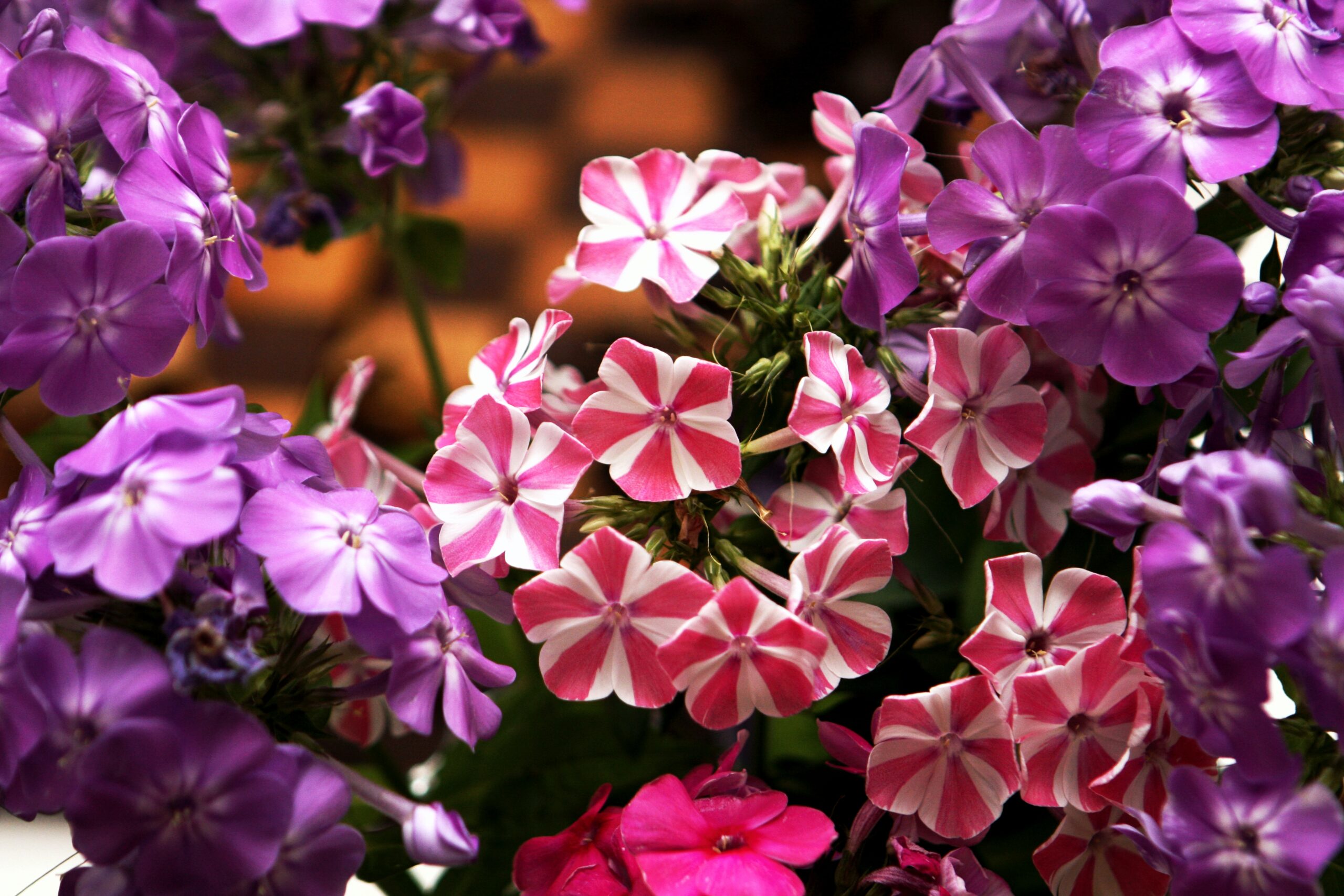
Garden phlox is the backbone of the summer border. From midsummer into early fall, when many perennials have finished, it carries large, domed clusters of fragrant flowers in white, pink, lavender, purple, red and coral, often with a contrasting eye. The scent carries on warm evenings, and butterflies, bees and hummingbird moths visit the flowers from morning to dusk.
Garden phlox is native to the eastern and central United States and has been grown in gardens for centuries. It is long-lived and easy in sun and rich, moist soil. Its one well-known weakness is powdery mildew, which can turn the leaves white and gray by late summer. Modern mildew-resistant varieties, good air circulation and steady watering solve most of that problem.
How Do You Grow Garden Phlox?
Grow garden phlox (Phlox paniculata) in full sun and rich, moist, well-drained soil in USDA zones 3 to 8, spacing plants about 18 to 24 inches apart. Water deeply at the base during dry spells, thin each clump to five or six stems in spring and choose mildew-resistant varieties such as ‘Jeana’ and ‘David’. It blooms from midsummer to late summer, and deadheading extends the show.
| Botanical name | Phlox paniculata |
|---|---|
| Common names | Garden phlox, tall phlox, summer phlox, fall phlox |
| USDA zones | 3 to 8 |
| Sun | Full sun, at least 6 hours; tolerates light shade |
| Height | 2 to 4 feet, some varieties to 5 feet |
| Spread | 2 to 3 feet |
| Bloom time | Midsummer to late summer, some into early fall |
| Grown for | Flowers |
| Flower color | White, pink, lavender, purple, red, coral, bicolor |
| Soil moisture | Evenly moist, rich, well drained |
| Deer | Sometimes browsed, especially the flower buds |
| Drought tolerance | Low to moderate |
| Native range | Eastern and central United States |
| Pet toxicity | Not known to be toxic |
| Maintenance | Moderate; thin, deadhead and divide every 3 to 4 years |
What Is Garden Phlox?
Garden phlox, Phlox paniculata, is one of about 60 species of phlox, almost all native to North America. It grows wild in moist woods, meadows and stream banks from New York to Missouri and Kansas and south to North Carolina, Tennessee and Louisiana. In the wild it has pink or purple flowers and grows 3 to 6 feet tall.
Plant breeders in Europe and North America have selected hundreds of varieties from it, with larger flower heads, more compact habits and a much wider range of colors. It is not to be confused with its low-growing relatives, creeping phlox (Phlox subulata), which blooms in spring as a groundcover, and woodland phlox (Phlox divaricata), a spring-blooming shade plant. Smooth phlox (Phlox glaberrima) and meadow phlox (Phlox maculata) are similar tall species that bloom a little earlier.
Where Garden Phlox Grows Best
Garden phlox is hardy in USDA zones 3 through 8 and survives winter temperatures of -40°F. It grows best where summers are warm but not extremely dry.
Plant it in full sun, with at least 6 hours of direct light a day. It tolerates light shade, especially in hot southern gardens, but in too much shade it flowers less, the stems stretch and powdery mildew becomes much worse.
Garden phlox is hungrier and thirstier than many perennials. It needs rich, fertile soil that holds moisture but drains well, with a slightly acidic to neutral pH. Work plenty of compost or well-rotted manure into the planting area before planting. Avoid dry, sandy spots unless you can water regularly, and avoid heavy, waterlogged clay.
How to Plant Garden Phlox
Plant garden phlox in spring after the last frost or in early fall at least six weeks before the ground freezes. Dig a hole about twice as wide as the root ball and set the plant so the crown is at or just below the soil surface. Backfill, firm the soil gently and water thoroughly.
Space plants 18 to 24 inches apart. It is tempting to plant them closer for a fuller look, but good air circulation around each clump is one of the most effective ways to prevent powdery mildew. Spread 2 inches of shredded bark or leaves around the plants to keep the soil cool and moist, keeping it away from the stems.
Watering and Feeding
Garden phlox needs about 1 inch of water a week during the growing season. Water deeply at the base of the plants, early in the day, rather than sprinkling the leaves. Drought stress is one of the main triggers of powdery mildew, so steady moisture through the heat of summer keeps the foliage much healthier.
Feed garden phlox each spring with a layer of compost or well-rotted manure. A balanced fertilizer applied as new growth emerges and again before flowering also works well in poor soil.
Thinning, Pinching and Staking
Garden phlox sends up many stems from each clump, and crowding reduces air circulation and invites mildew. In spring, when the shoots are about 6 inches tall, thin each established clump to the five or six strongest stems, cutting the rest off at the ground. The remaining stems grow sturdier and produce larger flower heads.
For shorter, bushier plants, pinch out the growing tips of the stems when they are about 6 inches tall, or cut back a few stems at the front of each clump by a third in late spring. The pinched stems branch and bloom a little later, extending the season. Tall varieties in windy or rich sites may need staking; set hoops or stakes in place in spring, before the plants need them.
Deadheading and Cutting Back
Deadheading faded flower clusters keeps garden phlox blooming longer and often brings a smaller second flush of flowers from side shoots. Cut each spent flower head back to the next set of leaves or side buds.
Deadheading also prevents seeding. Garden phlox seedlings rarely resemble their named parents and usually bloom a pale magenta, the color of the wild species. Left to self-sow, they can gradually crowd out the original variety, which is why many older plantings seem to change color over time.
In fall, cut the stems to the ground after a hard frost and remove the debris, especially if the plants had powdery mildew, since the fungus overwinters on infected leaves.
Dividing Garden Phlox
Garden phlox clumps widen over time, and the center eventually becomes crowded, woody and less vigorous. Divide the plants every two to four years in early spring, when new shoots are just appearing. Dig up the clump, cut it into sections with several shoots and a good set of roots, discard the old center and replant the divisions about 18 inches apart. Division is also the best way to renew a clump that has begun to flower poorly.
Preventing Powdery Mildew
Powdery mildew is the most common problem with garden phlox. It shows up in mid to late summer as white or gray powdery patches on the leaves, which can yellow, brown and drop from the bottom of the stems upward. It rarely kills the plant but makes it unsightly.
Prevention works far better than treatment. Choose mildew-resistant varieties, give plants full sun and plenty of space, thin the stems in spring, water deeply at the base during dry spells and clean up infected stems and leaves in fall. The Mt. Cuba Center found in its phlox trial that the most mildew-resistant garden phlox came from American wild selections and breeding rather than European varieties, and that varieties advertised as disease resistant do not always hold up in every climate.
Best Garden Phlox Varieties
The Mt. Cuba Center, a botanical garden in Delaware, evaluated more than 90 phlox selections over three years for flowers, habit, mildew resistance and pollinator value. Several of the varieties below were among its top performers.
‘Jeana’
The top-rated phlox in the Mt. Cuba trial and the 2024 Perennial Plant of the Year. ‘Jeana’ was discovered along the Harpeth River near Nashville, Tennessee, by Jeana Prewitt. It grows 3 to 5 feet tall with small, fragrant, lavender-pink flowers in large clusters from mid-July to early September, and its foliage stays green and exceptionally free of mildew. It attracted more butterflies than any other garden phlox in the trial, especially eastern tiger swallowtails.
‘David’
A pure white, strongly fragrant phlox about 3 feet tall with excellent mildew resistance, named Perennial Plant of the Year in 2002. It was found as a seedling at the Brandywine Conservancy in Pennsylvania and blooms from July into August.
‘Glamour Girl’
A top performer at Mt. Cuba with vivid coral-pink flowers on sturdy plants. Its bright color stands out in the late-summer border.
‘Delta Snow’
A white phlox with a purple eye, rated among the best in the Mt. Cuba trial for its flowers and foliage.
‘Robert Poore’
A tall, vigorous phlox with rich magenta-purple flowers, one of the top performers in the Mt. Cuba trial. It makes a bold statement at the back of the border.
‘Bright Eyes’
A classic variety with soft pink flowers and a crimson eye, about 2 to 3 feet tall. It is a reliable, long-blooming choice recommended by the University of Minnesota Extension for cold climates.
Garden Phlox for Butterflies and Pollinators
The long, narrow flower tubes of garden phlox are perfectly shaped for butterflies and moths, whose long tongues reach the nectar at the base. Swallowtails, fritillaries, skippers and hummingbird moths visit the flowers throughout the day, and bees and hummingbirds feed on them too. In the Mt. Cuba trial, observers recorded 539 butterfly visits to ‘Jeana’ over two years. Planting phlox in a sunny, sheltered spot near other nectar plants makes it even more attractive to butterflies.
Companion Plants for Garden Phlox
Garden phlox blooms at the height of summer alongside many other favorite perennials. Bee balm, coneflowers, black-eyed Susans, daylilies and Joe Pye weed share its taste for sun and moist soil. Russian sage, salvia and catmint add cool blue contrast, and ornamental grasses give structure. Planting shorter perennials in front of phlox also hides the lower stems if they lose leaves to mildew late in the season.
Common Garden Phlox Problems
Besides powdery mildew, garden phlox has a few other problems to watch for.
Spider Mites
Spider mites are the most troublesome pests of garden phlox, especially in hot, dry weather. They cause fine yellow speckling on the leaves and, in heavy infestations, fine webbing. Keeping plants well watered helps prevent them, and a strong spray of water or insecticidal soap controls light infestations.
Deer and Rabbits
Deer often eat garden phlox, especially the flower buds just before they open. In areas with heavy deer pressure, use repellents or fencing, or plant phlox closer to the house.
Colors Changing over Time
A planting of named phlox that seems to fade to pale magenta has usually been overtaken by self-sown seedlings. Deadhead before seeds ripen and pull seedlings that appear in spring.
Few Flowers
Garden phlox that blooms poorly usually needs more sun, more water or division. Plants in part shade or dry soil and old, crowded clumps flower less.
Frequently Asked Questions
These are the questions gardeners ask most about garden phlox.
Does Garden Phlox Come Back Every Year?
Yes. Garden phlox is a long-lived perennial hardy in USDA zones 3 to 8. It dies back to the ground in winter and returns each spring, and clumps can last for decades with division every few years.
Why Does My Phlox Have White Powder on the Leaves?
White powder on phlox leaves is powdery mildew, a fungal disease that is worst in dry, crowded conditions. Grow resistant varieties, space and thin plants for air circulation, and water deeply at the base during dry spells.
Should You Deadhead Garden Phlox?
Yes. Deadheading extends the bloom and prevents self-sown seedlings, which usually bloom pale magenta and can crowd out named varieties.
Does Garden Phlox Spread?
Garden phlox forms slowly widening clumps and can also spread by self-sown seed. It is not invasive, and division every few years keeps clumps in check.
Is Garden Phlox Deer Resistant?
Not reliably. Deer often eat garden phlox, especially the flower buds, so plants in deer country may need repellents or fencing.
Sources
- Tall Garden Phlox, University of Minnesota Extension
- Spotlight on Phlox, Mt. Cuba Center
- Phlox paniculata ‘Jeana’, Mt. Cuba Center
- Phlox paniculata, Lady Bird Johnson Wildflower Center, University of Texas at Austin
- Phlox paniculata ‘David’, Chicago Botanic Garden