Astilbe

Astilbe spp.
Zones 3–8Part shadeDeer resistant
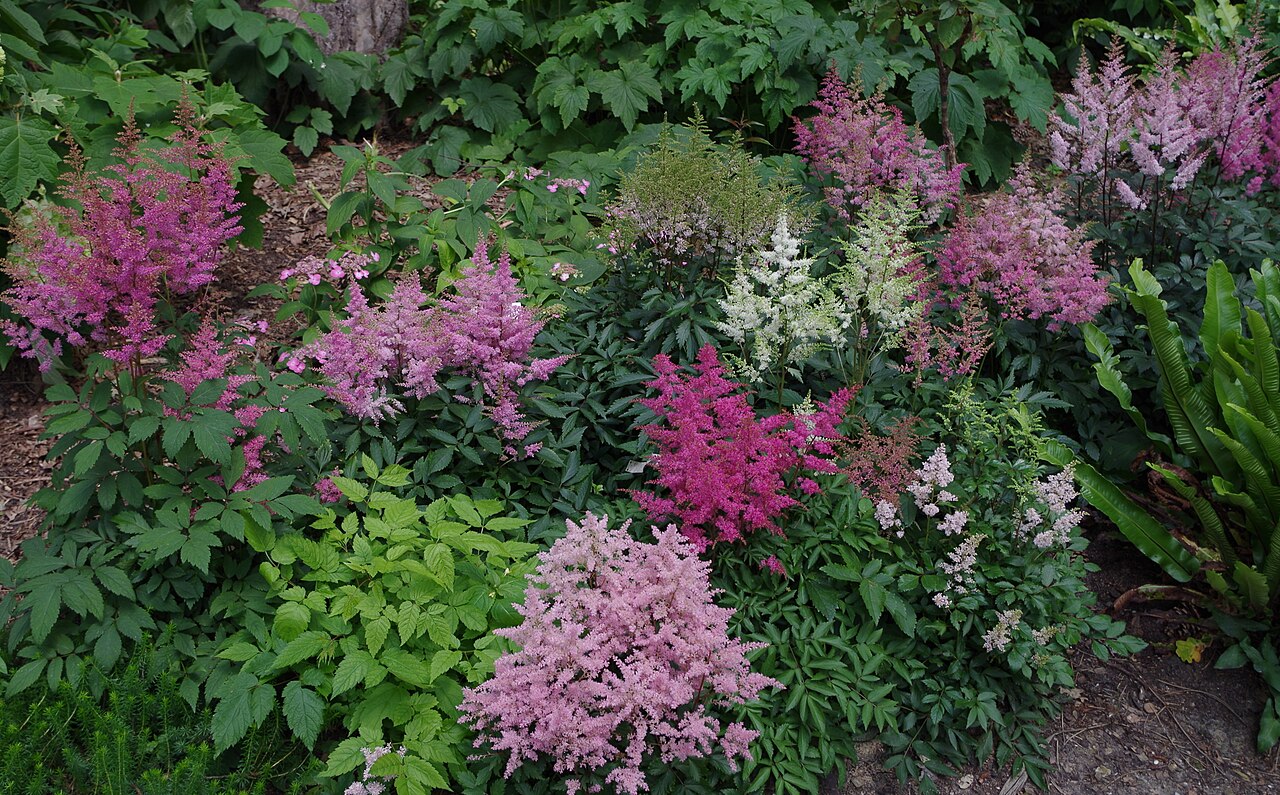
Astilbe brings feathery plumes of color to part shade in zones 3 to 8, as long as the soil stays moist. Here is how to plant and care for it, which types handle more sun, and the best varieties to grow.
Bee Balm

Monarda didyma, Monarda fistulosa and hybrids
Zones 4–9Full sunDeer resistant
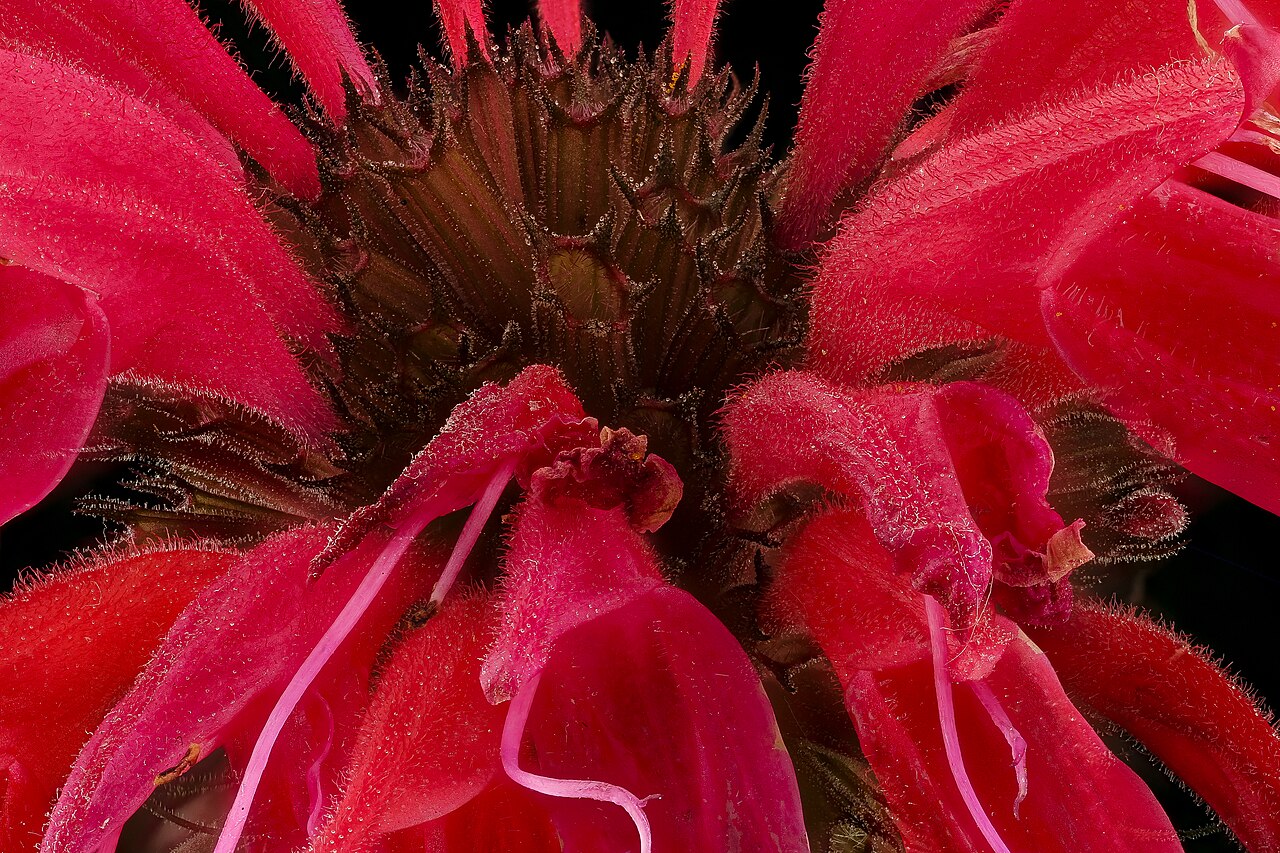
Close-up of a scarlet bee balm flower head with a ring of narrow, tubular red petals

Bee balm is a native perennial that draws hummingbirds and bees all summer in zones 4 to 9. Here is how to plant and care for it, how to prevent powdery mildew and control spreading, and the best varieties to grow.
Black-Eyed Susan

Rudbeckia spp.
Zones 3–9Full sunDeer resistant
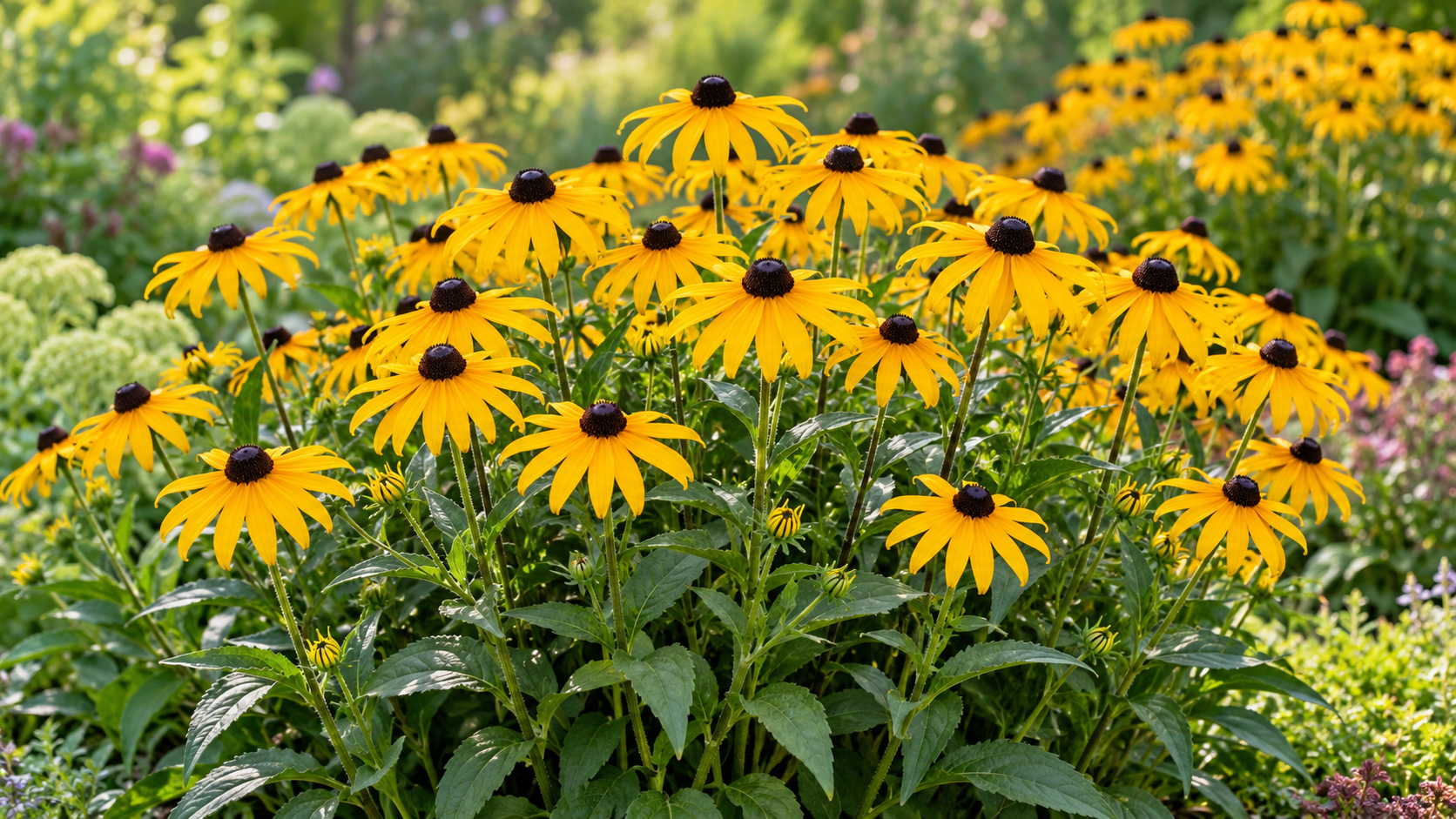
Golden black-eyed Susan flowers with dark brown centers blooming in a perennial garden bed.

Black-eyed Susans bloom from midsummer to frost in full sun and almost any well-drained soil in zones 3 to 9. Here is how to plant and care for them, which types are true perennials, and the best varieties to grow.
Catmint

Nepeta × faassenii, Nepeta racemosa and hybrids
Zones 3–8Full sunDeer resistant
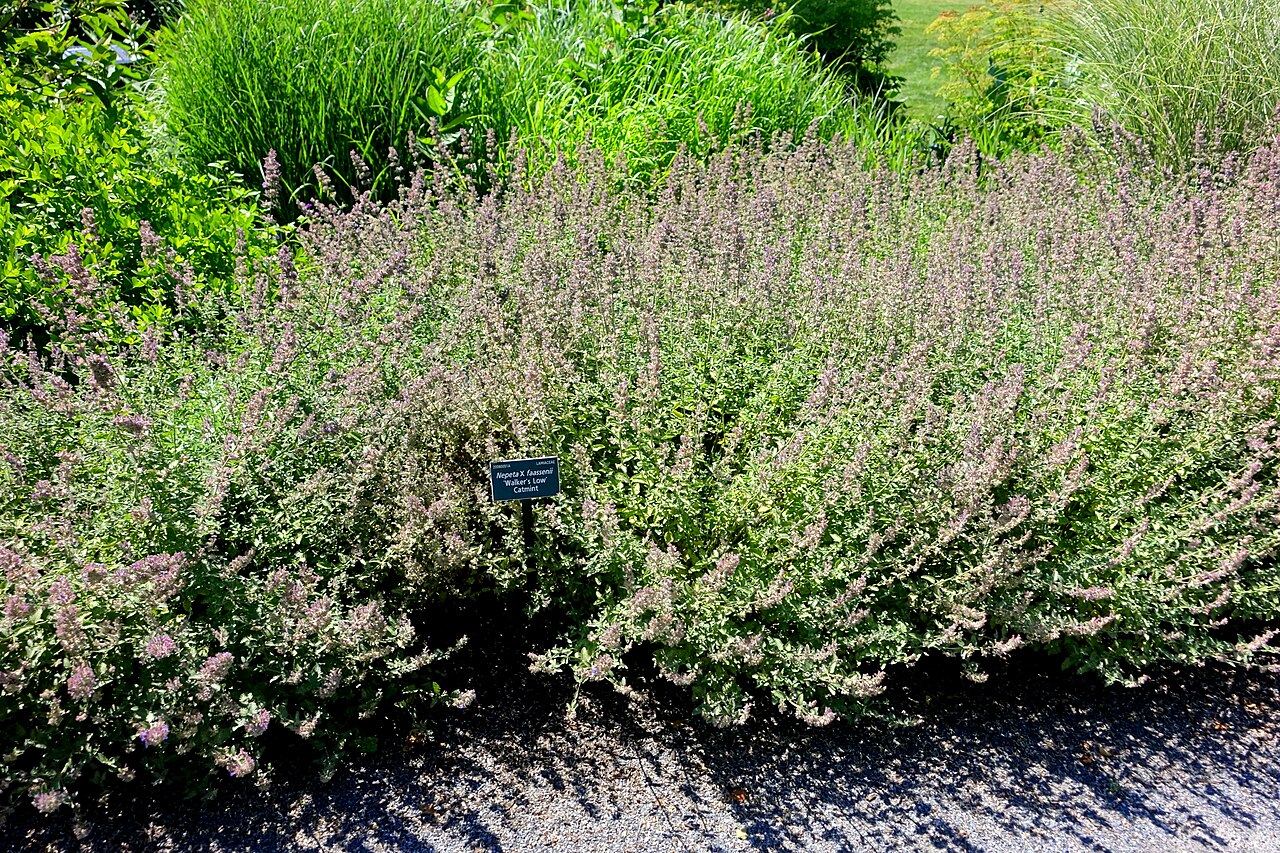
A wide, soft mound of 'Walker's Low' catmint covered in lavender-blue flower spikes in a sunny garden bed

Catmint blooms from late spring into fall in full sun and dry soil in zones 3 to 8, and shrugs off deer and drought. Here is how to plant it, when to shear it for rebloom, how it differs from catnip and the best varieties.

Coneflower

Echinacea spp.
Zones 3–9Full sunDeer resistant
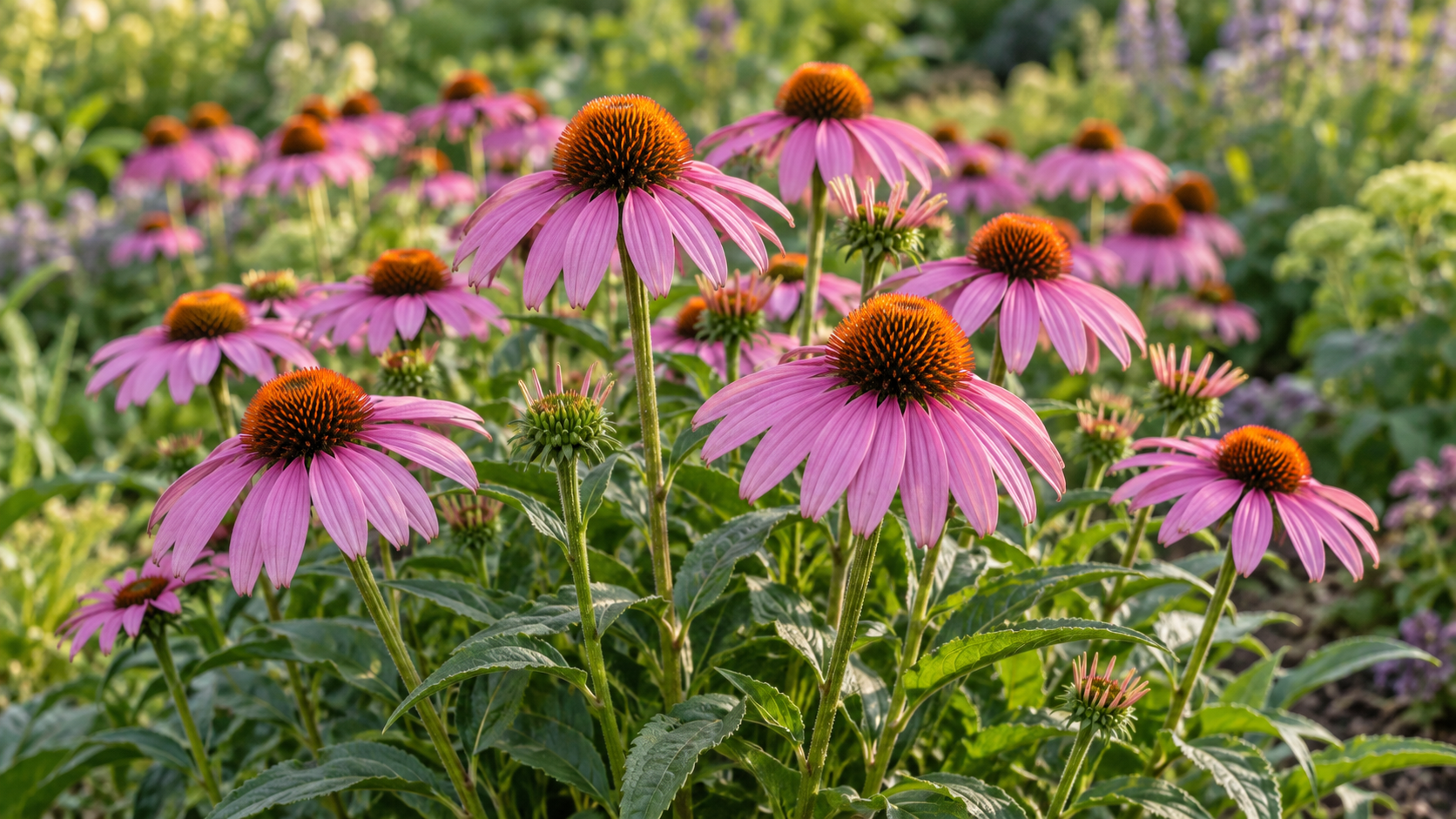
Pink-purple coneflowers with orange-brown centers blooming in a sunny perennial garden bed.

Coneflowers thrive in full sun and lean, well-drained soil in zones 3 to 9, bloom from early summer into fall, and feed pollinators and birds. Here is how to plant, grow and keep them coming back, plus the best varieties to choose.

Coral Bells

Heuchera spp. and hybrids
Zones 4–9Part shadeDeer resistant
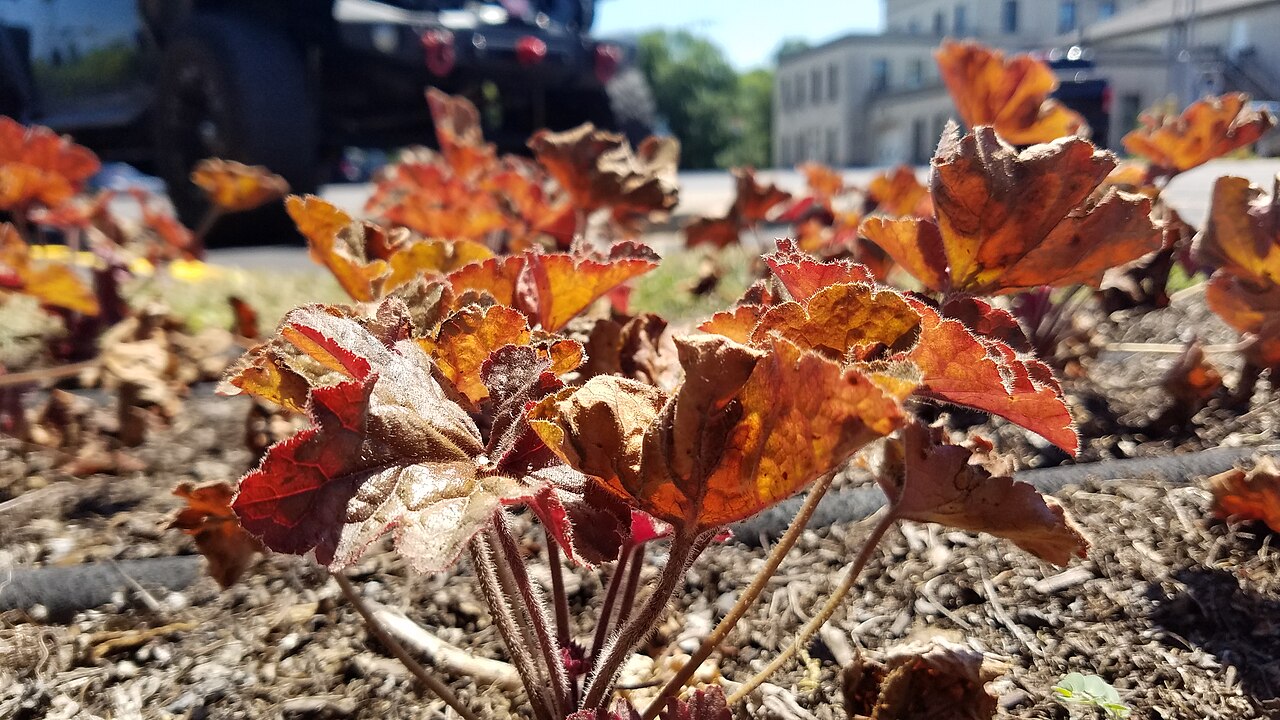
Young coral bells with ruffled copper and amber leaves glowing in the sun, planted in a gravel-mulched bed

Coral bells bring year-round leaf color to part shade in zones 4 to 9. Here is how to plant and care for them, why the crowns need resetting every few years, and the best varieties for sun, shade and heat.

Creeping Phlox

Phlox subulata
Zones 3–9Full sunSometimes browsed
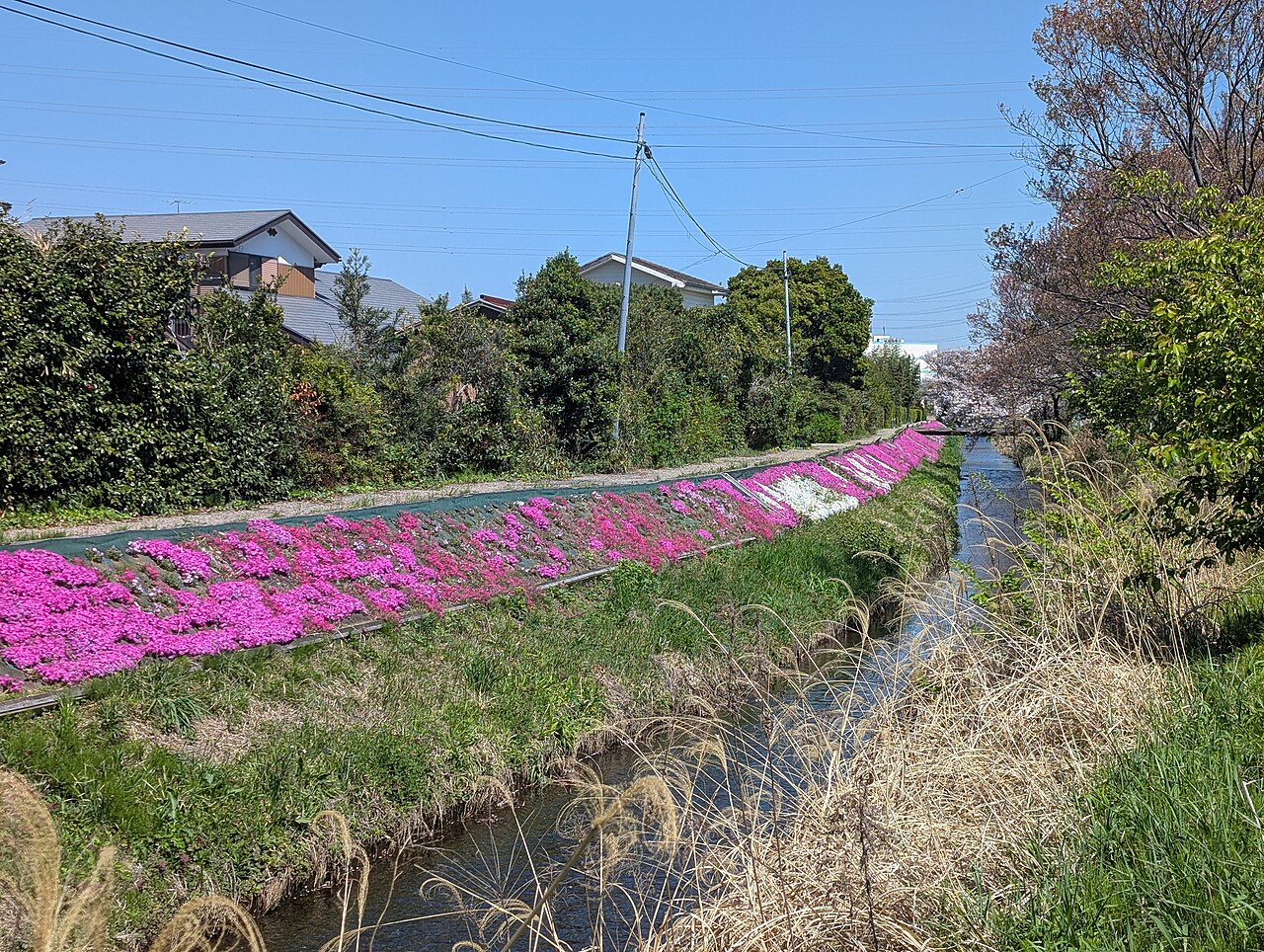
Long bands of magenta and white creeping phlox in full bloom covering the sloped bank of a narrow river in spring

Creeping phlox covers slopes, walls and path edges with sheets of spring color in zones 3 to 9. Here is how to plant and care for it, when to shear it and the best varieties to grow.
Garden Phlox

Phlox paniculata
Zones 3–8Full sunSometimes browsed
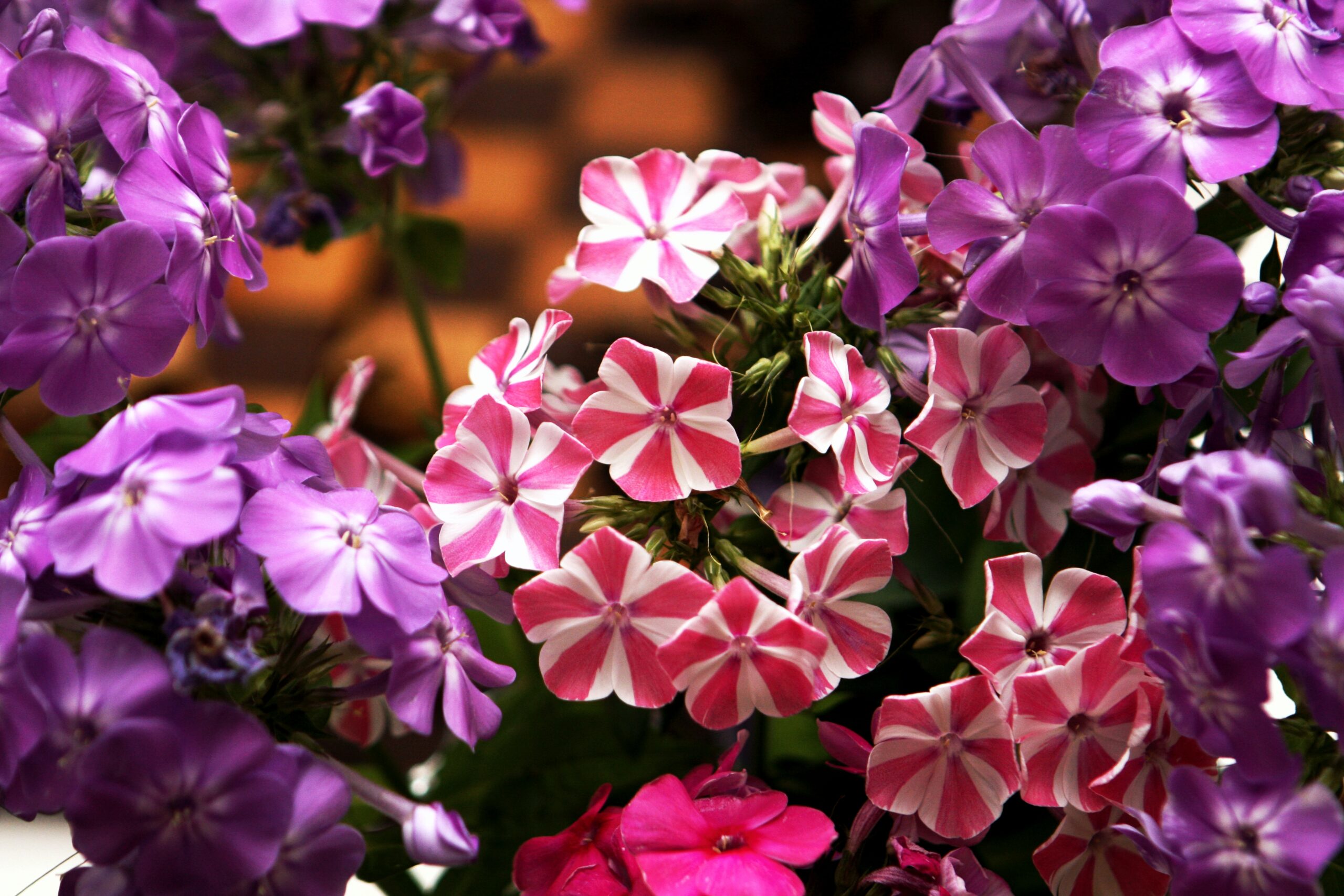
A cluster of garden phlox with pink-and-white striped flowers surrounded by violet-purple phlox blooms

Garden phlox fills the summer border with fragrant flowers and butterflies in zones 3 to 8. Here is how to plant and care for it, how to prevent powdery mildew and the best mildew-resistant varieties to grow.

Hosta

Hosta spp.
Zones 3–9Part shadeDeer favored
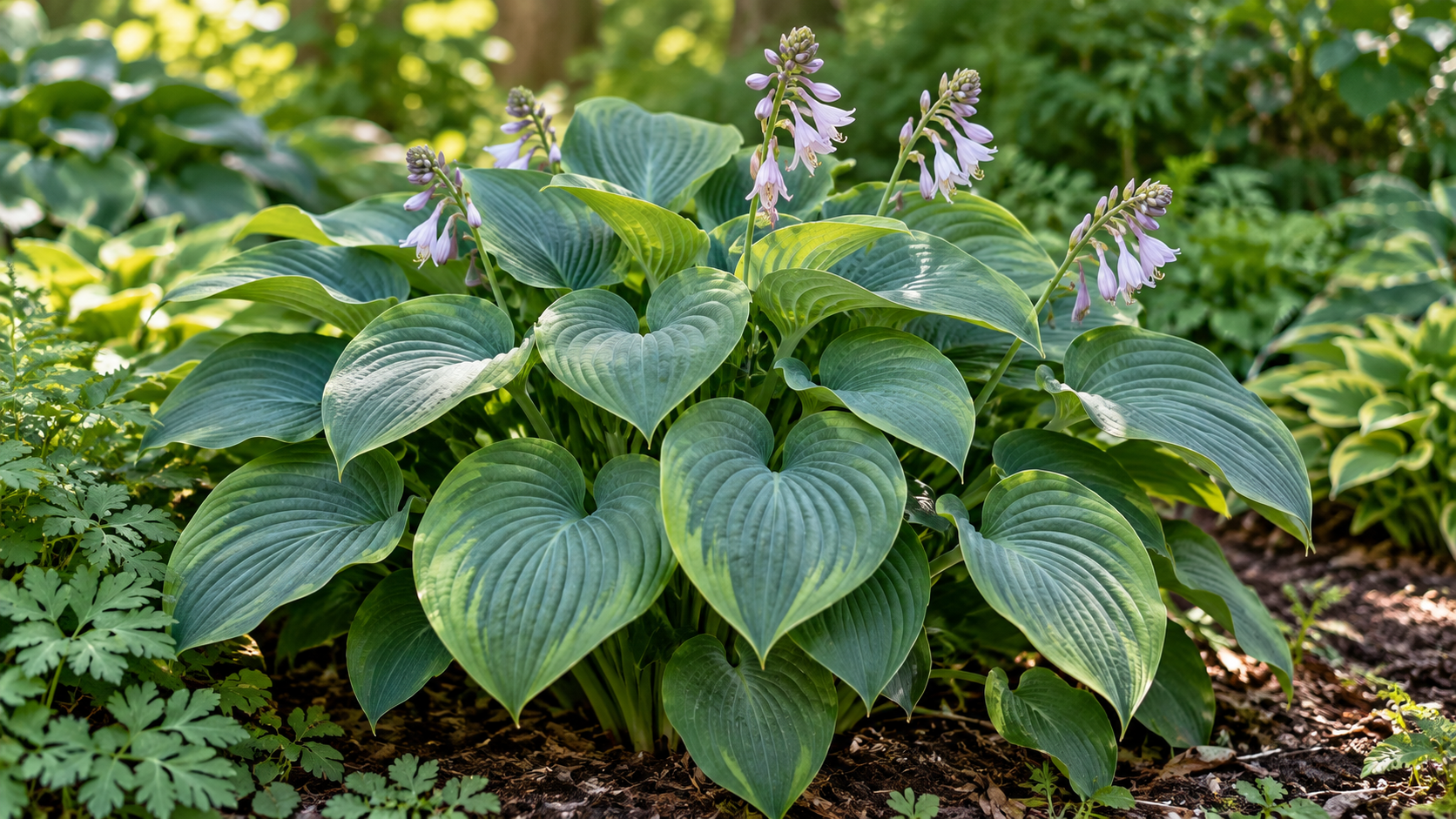
Blue-green hosta leaves with pale lavender flower spikes growing in a shaded garden bed.

Hostas are the easiest way to fill a shady yard with color, and a well-placed clump can thrive for decades. Learn which zones and light they need, how to plant and divide them, the best varieties for beginners, and how to stop slugs and deer.

Lavender

Lavandula spp.
Zones 5–9Full sunDeer resistant
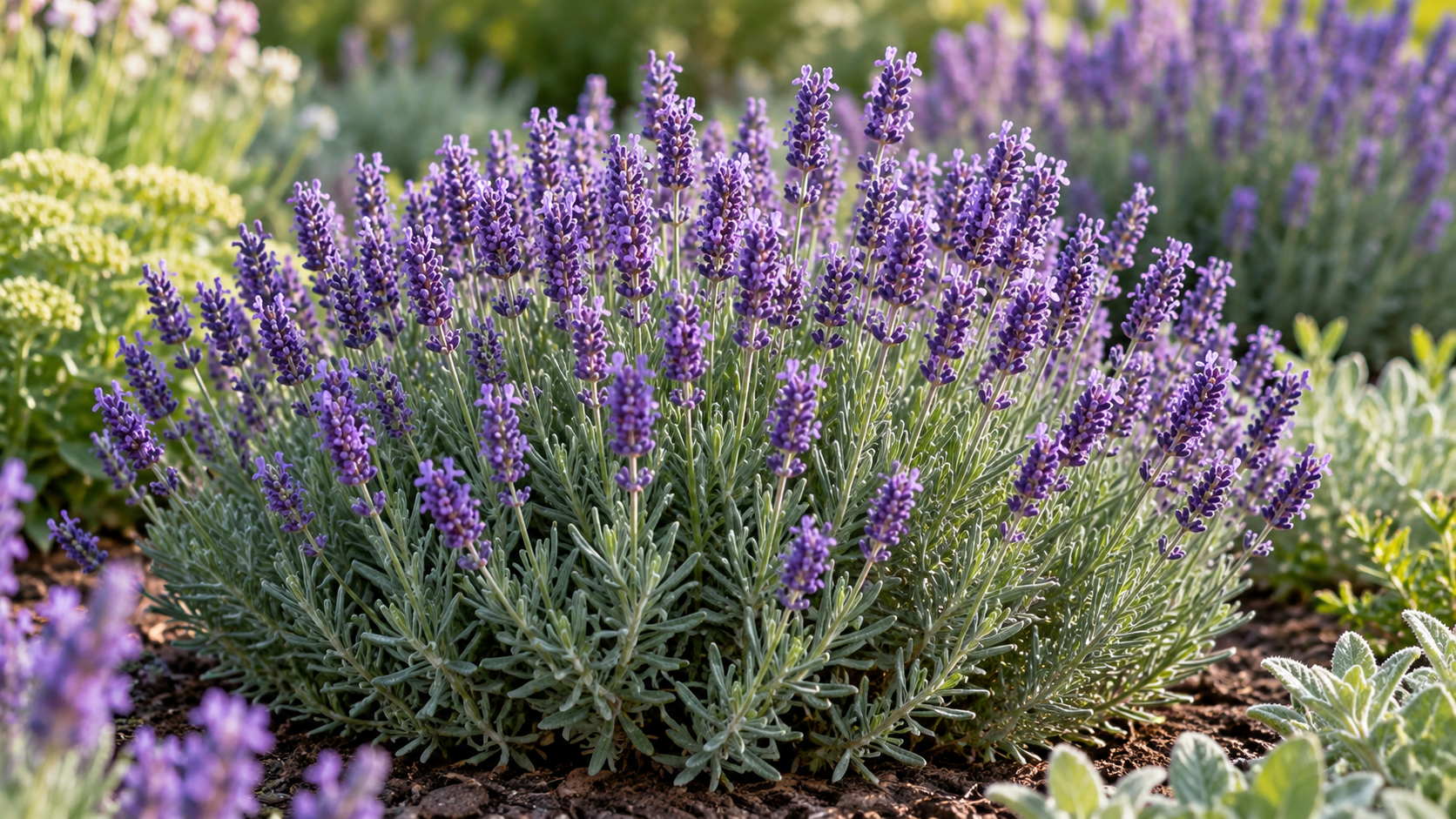
Purple lavender flower spikes blooming above silvery-green foliage in a sunny garden bed.

Lavender thrives in full sun and lean, fast-draining soil in zones 5 to 9, and dies in wet ground. Here is how to choose the right type, plant it, prune it without killing it, harvest the flowers and keep it alive through winter.

Peony

Paeonia spp.
Zones 3–8Full sunDeer resistant
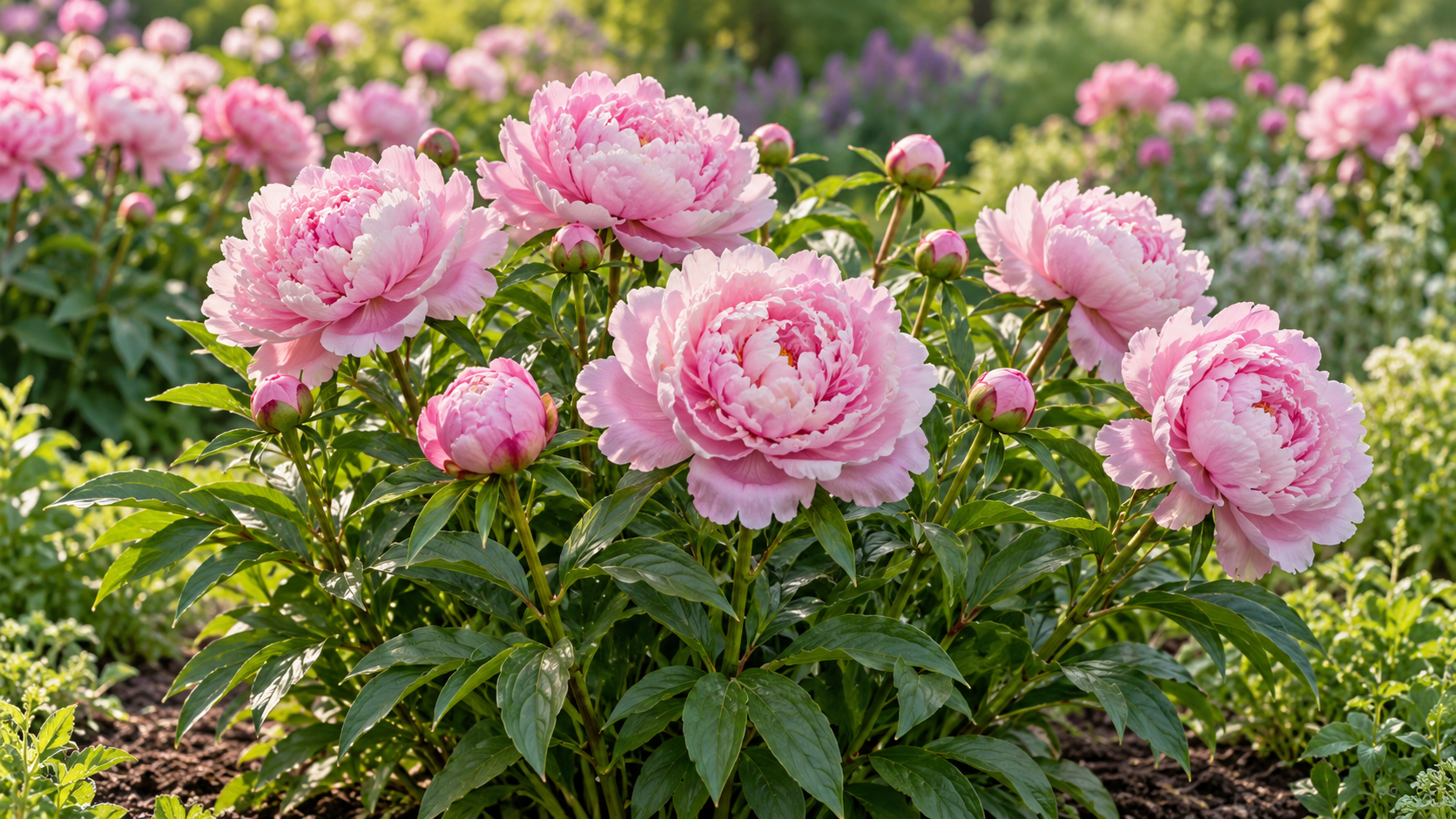
Pink peony blooms and buds growing on a leafy clump in a perennial garden bed.

Peonies can bloom in the same spot for 50 years or more if you get two things right at planting: full sun and shallow roots. Here is how to plant, feed, support, divide and troubleshoot herbaceous, tree and Itoh peonies.

Russian Sage

Salvia yangii, formerly Perovskia atriplicifolia
Zones 4–9Full sunDeer resistant
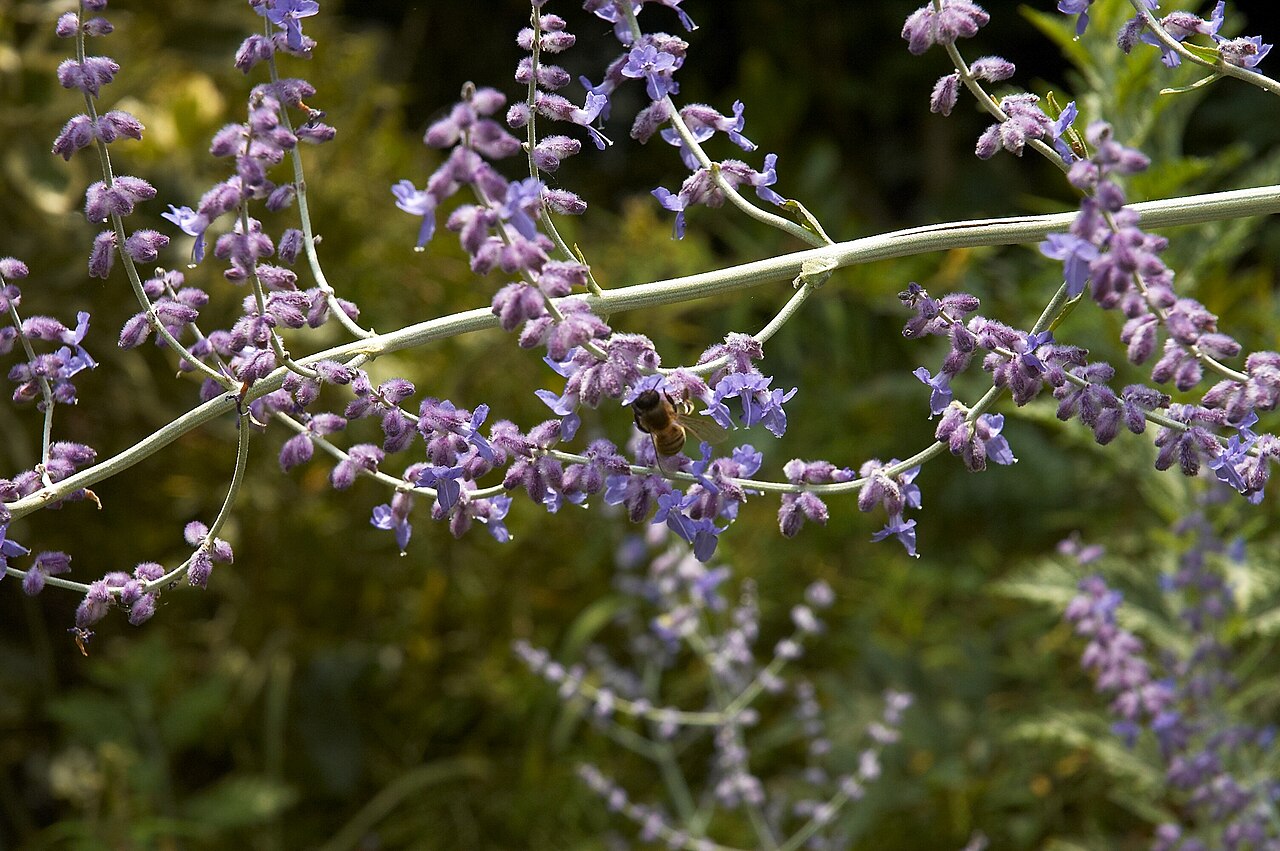
Branching silver-white stems of Russian sage lined with small lavender-blue flowers, with a bee feeding on the blooms

Russian sage thrives in heat, drought and poor soil in zones 4 to 9, with lavender-blue flowers from summer to fall. Here is how to plant it, when to prune it, how to keep it from flopping and the best varieties to grow.
Salvia

Salvia nemorosa and hybrids
Zones 4–8Full sunDeer resistant
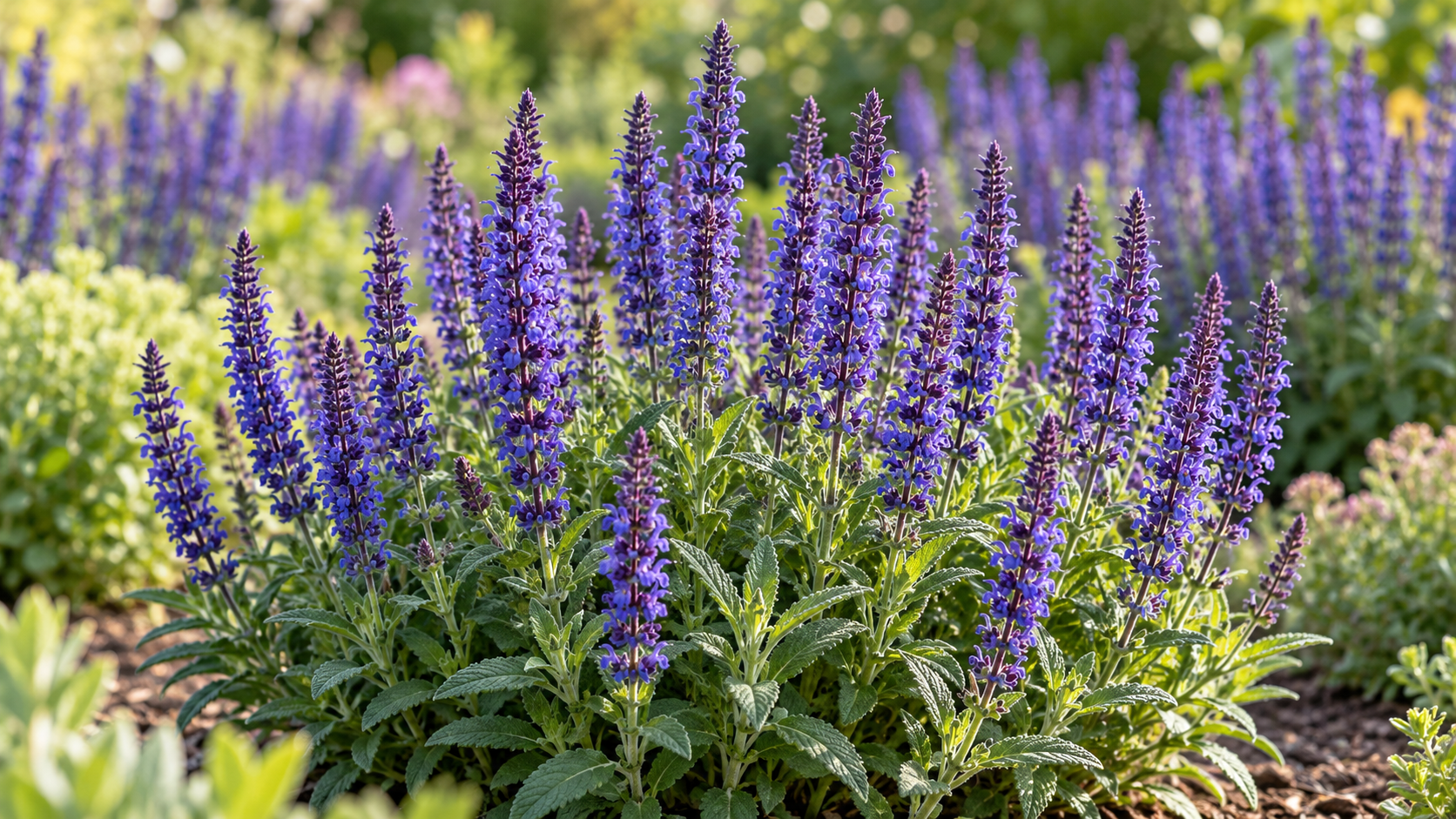
Purple salvia flower spikes blooming in a sunny perennial garden bed.

Perennial salvia blooms from late spring into fall in full sun and well-drained soil in zones 4 to 8, as long as you cut it back after each flush. Here is how to plant, prune and divide it, and the best varieties to grow.
Sedum

Sedum and Hylotelephium spp.
Zones 3–9Full sunDeer resistant
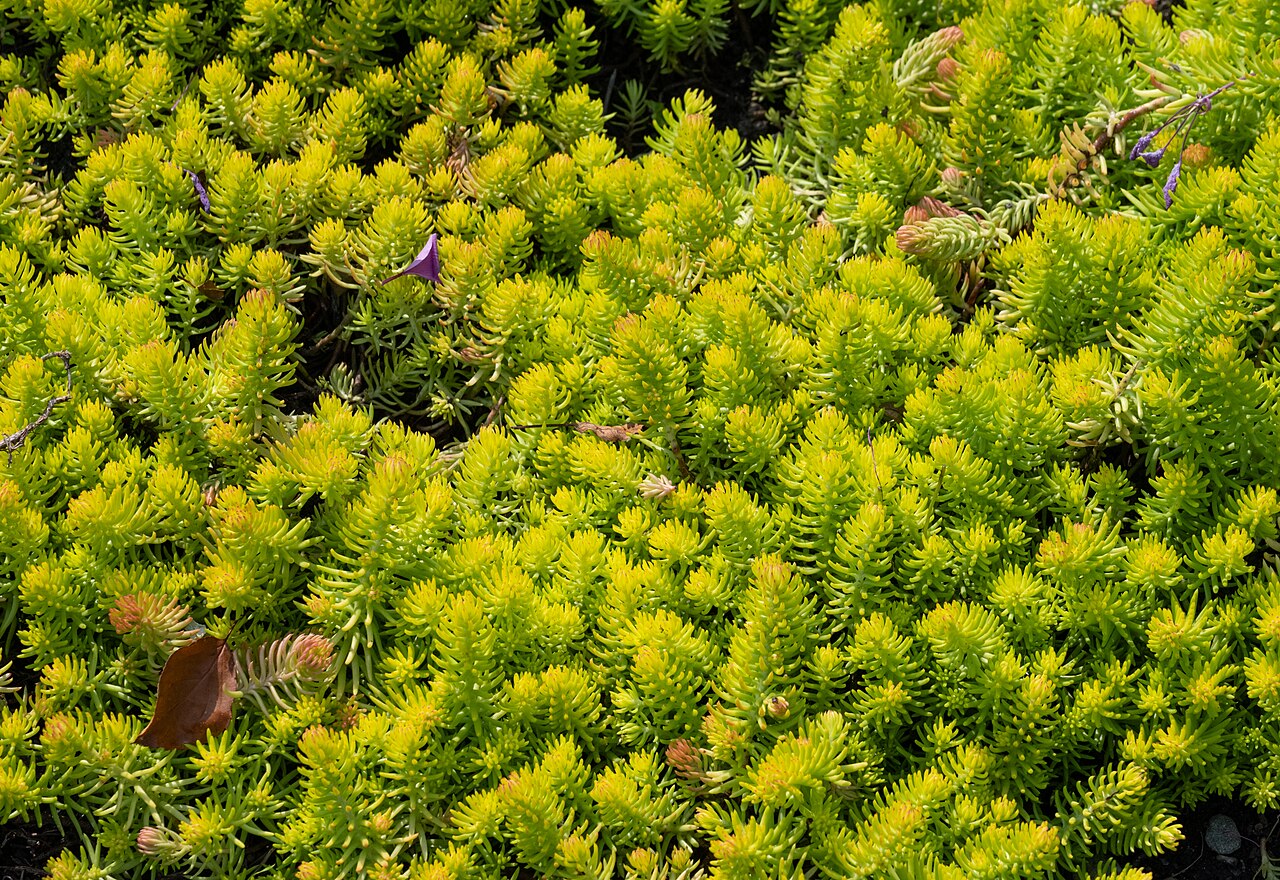
A dense mat of 'Angelina' sedum with bright chartreuse, needle-like leaves on trailing stems

Sedum thrives in full sun and lean, well-drained soil in zones 3 to 9, with late-season flowers for pollinators. Here is how to plant and care for it, the difference between upright and creeping types, and the best varieties to grow.