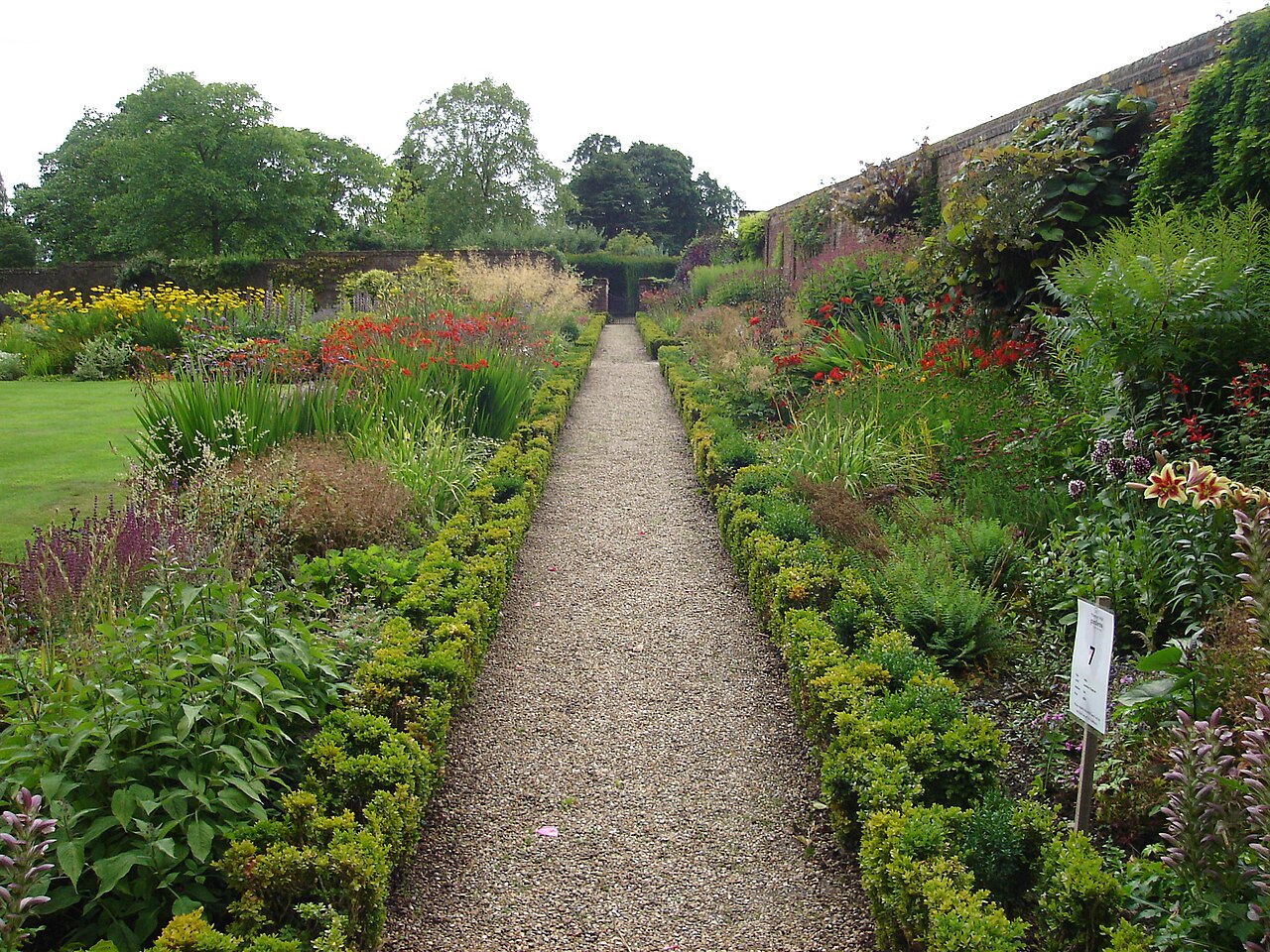
Perennials are the plants that make a garden permanent. Plant them once, and they come back on their own year after year, often growing larger and more beautiful with time. Peonies, hostas, daylilies, coneflowers and lavender are all perennials, and so, in the broadest sense, are oak trees and lilac bushes. Understanding what makes a plant a perennial, and how perennials differ from annuals and biennials, is the first step toward choosing the right plants and keeping them alive for decades.
This guide explains what perennials are, how they survive winter, the main types, how long they live, how hardiness zones decide which perennials will come back where you live, and how to choose and care for them.
What Is a Perennial Plant?
A perennial is a plant that lives for more than two years. Herbaceous perennials, the flowering plants gardeners usually mean, such as peonies, hostas and coneflowers, have soft stems that die back to the ground in winter and regrow from the roots and crown each spring. Trees and shrubs are woody perennials. Annuals, by contrast, complete their life cycle in one growing season, and biennials take two.
What Makes a Plant a Perennial?
Botanists sort plants by how long they live and how they complete their life cycle, from seed to flowering to new seed. Extension services, including Oregon State University and the University of Missouri, define a perennial simply as a plant that lives for more than two years. A perennial does not have to flower every year, and it does not die after flowering. Instead, it survives the unfavorable season, usually winter in cold climates or a dry season in hot ones, and grows again when conditions improve.
In everyday gardening, the word perennial usually means a herbaceous perennial: a non-woody plant grown for its flowers or foliage that dies back each winter and returns in spring. That is how the word is used on plant tags, in garden centers and throughout this site. Technically, though, trees, shrubs and many vines are perennials too, since they also live for many years.
Perennials vs. Annuals vs. Biennials
Every flowering plant falls into one of three life cycles. The differences explain why some plants need replanting every spring and others come back on their own.
Annuals
An annual completes its entire life cycle in one growing season. It germinates, grows, flowers, sets seed and dies, all within a single year. Zinnias, marigolds, cosmos and sunflowers are annuals. Many annuals bloom nonstop from late spring until frost, because their goal is to produce as much seed as possible before they die. Some, such as cosmos and cleome, reseed so freely that they seem to come back on their own, but each year’s plants are new seedlings.
Biennials
A biennial takes two years to complete its life cycle. In the first year it grows only leaves, often as a low rosette, and stores energy in its roots. After a winter of cold, it flowers, sets seed and dies in its second year. Foxglove, sweet William, hollyhock and parsley are biennials. Because they often reseed, biennials can persist in a garden for years if some plants are allowed to drop seed each summer.
Perennials
A perennial lives for three years or more, often far longer. Most herbaceous perennials bloom for a shorter period than annuals, typically two to six weeks, but they return each year without replanting and usually grow larger over time.
| Type | Life Span | Bloom | Replanting | Examples |
|---|---|---|---|---|
| Annual | One growing season | Usually long, from late spring to frost | Every year, unless it reseeds | Zinnia, marigold, cosmos, petunia |
| Biennial | Two years | Second year only | Every two years, unless it reseeds | Foxglove, hollyhock, sweet William, parsley |
| Perennial | Three years or more | Usually two to six weeks a year, some longer | None; divide every few years | Peony, hosta, daylily, coneflower, lavender |
How Perennials Survive Winter
The secret to a perennial’s long life lies below ground. Through the growing season, the leaves make sugars and send them down to the roots, crown, rhizomes or bulbs, where they are stored as starch. As the days shorten and temperatures fall in autumn, the plant hardens off and enters dormancy, a state of greatly reduced activity in which its buds can withstand freezing temperatures.
In herbaceous perennials, the stems and leaves die back, but the crown, the point where stems meet roots, survives at or just below the soil surface, protected by soil, leaf litter and snow. The crown carries next year’s buds. When the soil warms in spring, the plant draws on its stored energy to push up new shoots, long before its new leaves can make food of their own. This is why perennials can emerge and bloom so quickly in spring, and why cutting a perennial’s foliage too early in late summer weakens it the following year.
Types of Perennials
Perennials come in many forms. Knowing which type a plant is tells you a lot about how to grow it.
Herbaceous Perennials
These are the classic garden perennials: plants with soft stems that die back to the ground in winter and regrow in spring. Peonies, hostas, daylilies, coneflowers, black-eyed Susans, phlox, astilbe and bee balm all belong here. Most of the plants profiled on this site are herbaceous perennials.
Evergreen and Semi-Evergreen Perennials
Some perennials keep some or all of their leaves through winter. Coral bells, hellebores, bergenia, creeping phlox, candytuft and many sedums stay green or partly green year-round. These plants should not be cut back in fall, since their leaves protect the crown over winter.
Woody Perennials and Subshrubs
Trees and shrubs are woody perennials, with stems that survive winter above ground and grow larger each year. In between are subshrubs, plants with a woody base and softer upper stems, such as lavender, Russian sage and some salvias. They are grown alongside herbaceous perennials but are pruned differently, usually in spring rather than fall.
Bulbs, Corms, Tubers and Rhizomes
Tulips, daffodils, crocuses, alliums and lilies are perennials that store energy in swollen underground structures. Most bloom, grow leaves for a few weeks or months and then go dormant underground until the next year. Bearded iris, which grows from rhizomes, and daylilies, with their fleshy roots, are similar.
Ornamental Grasses and Ferns
Most ornamental grasses, such as switchgrass and little bluestem, and most hardy ferns are herbaceous perennials too. They are grown mainly for their foliage and form, and they add texture and movement among flowering perennials.
Tender Perennials
Some plants are perennial only in warm climates. Geraniums, dahlias, cannas, lantana, coleus and many salvias live for years in frost-free regions but are killed by hard freezes. In colder zones, they are grown as annuals or brought indoors for winter. When a plant tag says perennial, it means perennial in the zones listed, not everywhere.
How Long Do Perennials Live?
Perennials vary enormously in life span. Short-lived perennials such as columbine, lupine, blanket flower, coreopsis and many hybrid coneflowers may last only three to five years, although many reseed and seem to persist indefinitely. Most popular perennials, including daylilies, hostas, Siberian iris, sedum and catmint, live for many years with occasional division.
Some perennials are remarkably long-lived. Peonies can bloom in the same spot for decades, and established clumps are often passed down through generations of a family garden. Hostas, daylilies and false indigo can likewise last a lifetime in the right place.
Most perennials benefit from being divided every three to five years. Over time, clumps become crowded, the centers die out and flowering declines. Dividing them in spring or early fall renews the plants and gives you new ones to plant elsewhere or share.
Sleep, Creep, Leap: Why New Perennials Take Time
An old gardening saying sums up how most perennials establish: the first year they sleep, the second year they creep, and the third year they leap. In their first season, newly planted perennials put most of their energy into growing roots, so they may look small and bloom sparingly. In the second year they grow larger and flower more. By the third year, most reach their full size and bloom at their best. Patience in the first year pays off for decades afterward.
Hardiness Zones: Will a Perennial Come Back Where You Live?
Whether a perennial comes back depends mostly on whether its roots and crown can survive your winters. In the United States, gardeners use the USDA Plant Hardiness Zone Map, which divides the country into 13 zones based on the average coldest winter temperature, with each zone covering 10°F and split into half zones of 5°F. The current map, released in 2023, is based on temperature data from 1991 to 2020 and runs about a quarter zone warmer on average than the previous 2012 map. Canada publishes its own hardiness zone map through Natural Resources Canada, which combines winter cold with other factors such as the length of the frost-free season, summer heat, rainfall, snow depth and wind.
Every perennial is rated for a range of zones, such as zones 3 to 8 for peonies. The lower number tells you the coldest zone where the plant reliably survives winter; the higher number tells you where summers or winters become too warm for it. Choosing perennials rated for your zone is the most important step toward a garden that comes back every year.
Advantages and Drawbacks of Perennials
Perennials offer real advantages over annuals:
- They return every year without replanting, saving time and money over the long term.
- They develop deep roots that make them more drought tolerant once established and help hold soil in place.
- Many multiply and can be divided to fill new beds or share with friends.
- Native perennials support bees, butterflies, birds and other wildlife far better than most annuals.
- They mark the passing seasons, with different plants peaking from early spring to late fall.
They also have some drawbacks. Individual perennials usually bloom for a shorter season than annuals, so a border needs a mix of plants to provide color from spring to fall. They cost more per plant up front, take two or three years to reach full size and need occasional division, cutting back and cleanup.
How to Choose the Right Perennials
Matching each plant to its site is the single biggest factor in perennial success. Before buying, consider these questions:
- What hardiness zone do you live in, and is the plant rated for it?
- How much sun does the spot get: full sun, part shade or shade?
- Is the soil sandy, loamy or clay, and does it stay dry, moist or wet?
- When do you want color, and what else blooms nearby at that time?
- How tall and wide will the plant grow at maturity?
- Are deer or rabbits a problem in your area?
- Would a native perennial suit the spot and support local wildlife?
For a border that blooms from spring to fall, combine early perennials such as creeping phlox, bleeding heart and peonies with summer bloomers such as daylilies, coneflowers and phlox, and late-season plants such as sedum, asters and Russian sage.
How to Plant and Care for Perennials
Most perennials are planted in spring or early fall, when cool temperatures and steady rain help them root. Prepare the soil by loosening it and mixing in compost, set each plant at the same depth it grew in its pot and water well. Space plants according to their mature size, not the size of the pot.
Once planted, most perennials need regular water through their first season, a layer of mulch to hold moisture and suppress weeds, and little or no fertilizer in reasonable soil. Through the year, they may need deadheading to extend bloom, cutting back in fall or spring, and division every few years. Our plant profiles cover the specific needs of each perennial in detail.
Native Perennials
Native perennials are species that grew in your region before European settlement, such as purple coneflower, black-eyed Susan, bee balm, garden phlox, coral bells and creeping phlox in much of North America. Because they evolved alongside local insects, birds and soils, they tend to be well adapted to local conditions and support far more wildlife than most non-native plants. Many native bees, butterflies and moths depend on specific native plants to feed their young. Mixing native perennials into your garden is one of the simplest ways to make it more resilient and alive.
Easy Perennials for Beginners
If you are new to perennials, start with plants that are tough, long-lived and forgiving. These grow in a wide range of conditions across most of North America:
- For sun: coneflower, black-eyed Susan, daylily, catmint, sedum, Russian sage, salvia and yarrow.
- For part shade: hosta, coral bells, astilbe and bleeding heart.
- For long life: peony, Siberian iris, daylily and hosta.
- For pollinators: bee balm, coneflower, garden phlox, catmint and salvia.
Frequently Asked Questions
These are the questions gardeners ask most about perennial plants.
Do Perennials Come Back Every Year?
Yes. Perennials return each year from their roots, crowns or bulbs, as long as they are hardy in your zone and growing in suitable conditions. Herbaceous perennials die back in winter and regrow in spring.
How Long Do Perennial Plants Last?
Most perennials live for many years, and some, such as peonies and hostas, for decades. Short-lived perennials such as columbine and lupine may last only three to five years, though many reseed.
What Is the Difference between a Perennial and an Annual?
An annual lives for one growing season and must be replanted each year, while a perennial lives for more than two years and comes back on its own. Annuals usually bloom longer; perennials bloom for a shorter period but return every year.
When Is the Best Time to Plant Perennials?
Spring and early fall are the best times. Plant in fall at least six weeks before the ground freezes so the roots can establish before winter.
Do Perennials Bloom All Summer?
Most perennials bloom for two to six weeks. A few, such as catmint, salvia, coreopsis and reblooming daylilies, bloom much longer, especially if deadheaded or sheared. Combining perennials that bloom at different times gives color all season.
Are Trees and Shrubs Perennials?
Technically, yes. Any plant that lives more than two years is a perennial, so trees and shrubs are woody perennials. In gardening, though, the word perennial usually refers to herbaceous flowering plants.
Sources
- Know the Life Cycles of Plants: Annuals, Biennials and Perennials, Oregon State University Extension Service
- Plants and Their Environment, University of Missouri Extension
- Map Creation, USDA Plant Hardiness Zone Map, U.S. Department of Agriculture
- Plant Hardiness Zones of Canada, Natural Resources Canada